
The Quick Read
- Proactive and timely cervical cancer screening can prevent cancer: Over 4,000 women will die from cervical cancer each year if not detected early through testing.
- Not knowing they need to be screened, mistrust in doctors and medical systems, along with language barriers, affordability, and geography, are just some of the reasons women may not seek medical care, including preventative care like pap smears.
Teal Health’s Take: It can be difficult to see cancer death rates everywhere we turn. The one positive about cervical cancer is that if detected early through routine screening, it is one of the most successfully treatable forms of cancer. But several barriers exist for routine screening. We are thankful to our community for sharing their stories and putting names to the numbers. We hope you find these inspiring and share the importance of cervical cancer screening with all the women in your life.
I hope others can prevent a loss like mine in their own families.
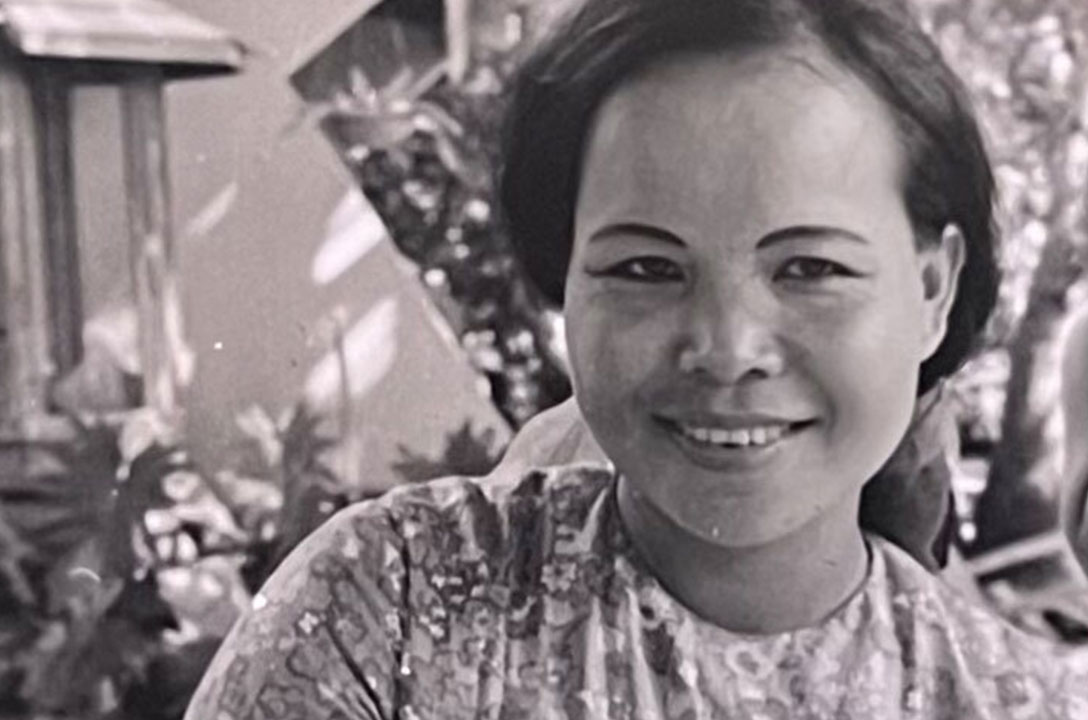
Cervical cancer is highly preventable, thanks to the HPV vaccine and routine screening. Unfortunately, when women aren’t regularly screened, the asymptomatic nature of cervical cancer can have a devastating impact on women and their families. This was the case for my grandmother, Yom “Noy” Chanhom Cross, who passed away from cervical cancer in 2005, at the age of 66, after it had metastasized to her liver and lungs.
In sharing my story, I want to highlight the very human aspect behind cervical cancer statistics. In spreading the word about the importance of cervical cancer screening, I hope others can prevent a loss like mine in their own families.
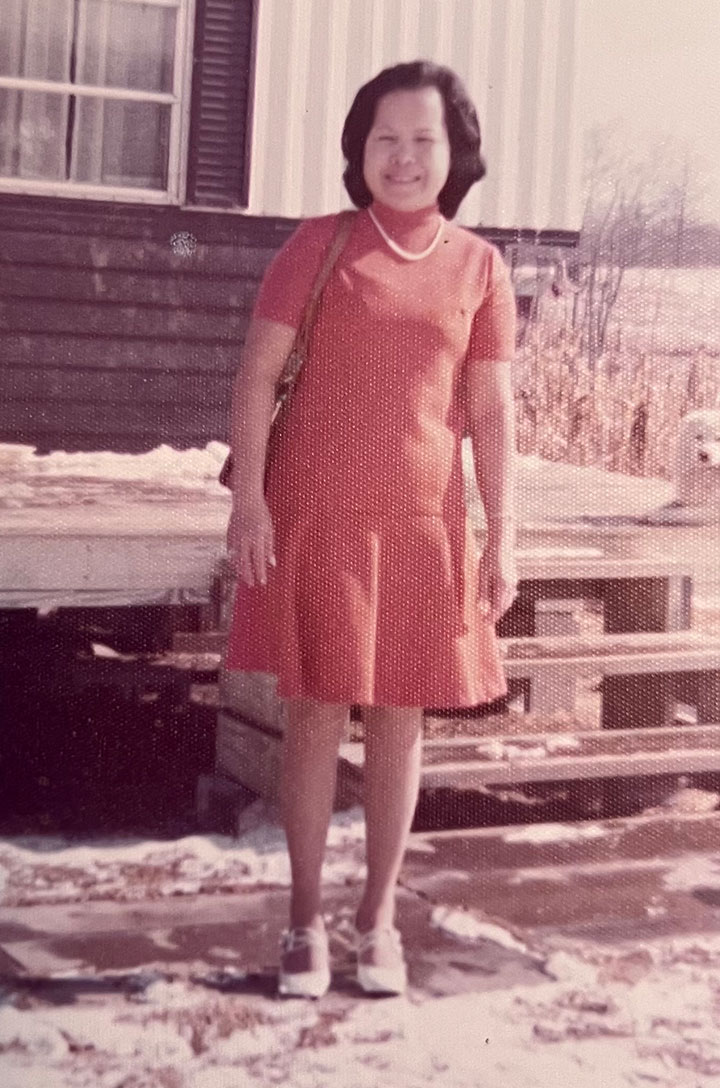
July 14, 1938 - March 6, 2005
My grandmother grew up in the province of Ubon Ratchathani in Thailand near the border of Laos. She was a woman of remarkable courage with a rebellious streak. Determined to escape an arranged marriage, she worked hard to save money until she had enough to run away from her village. After boarding the first train to Bangkok, she met the love of her life, my grandfather, an American soldier named Robert Cross. They were married in 1968 and my mother was born the following year. The new family of three soon flew to the U.S., where they settled in Texas.
Navigating a New Language and Healthcare System in the U.S.
My grandmother relied on American soap operas and her daughter to guide her through the complexities of learning English. Despite her progress, my grandmother still struggled to communicate at times — especially on topics relating to her health.
Combined with this language barrier was a generational mistrust in the medical community, which led her to keep quiet and press on despite experiencing health issues. These issues included intense pain and incontinence. It wasn't until my mother noticed my grandmother's pain that she urged her to seek medical attention.
Jumping Through Hoops For a Cervical Cancer Diagnosis
One of my grandmother's greatest obstacles was her insurance coverage's limitations. She wanted to see a gastrointestinal specialist, but the insurance company imposed strict regulations and prerequisites that she had to fulfill before accessing that care.
Since she had not visited a doctor in decades, my grandmother was required to undergo a battery of steps, including going to a primary care physician and getting a heart stress test, colonoscopy, and pap smear.
Because of my grandmother’s language barrier and lack of knowledge of pap smears, the process felt discouraging and overwhelming. Additionally, she had not experienced a period since giving birth to her only child, my mom, after doctors found a tumor. The doctors in Thailand had told her that she could not have any more children. From then on, her assumption was that she had a hysterectomy, a misconception shared by her husband and daughter and not helped by the language barrier. This misconception further prevented her from seeking regular OBGYN visits.
As part of her initial screenings for insurance, she was still required to visit the OBGYN for her overdue pap smear. During the pap smear, she experienced excruciating pain and bleeding in the cervix region. The bleeding was unusual for a typical pap smear and the doctor recognized it as a potential indicator of cervical cancer.
Following her appointment, results were expected within seven days — if they were normal. After three frustrating and anxiety-inducing weeks, she learned that she had stage four cervical cancer and would need immediate treatment. Unfortunately, what they didn’t know was that the cancer had already metastasized to her liver and lungs.
Despite her valiant efforts to get answers, the time from when she first sought medical care to her passing was only three months.
Finding Hope and Changing Outcomes With At-Home Cervical Cancer Screening Tests
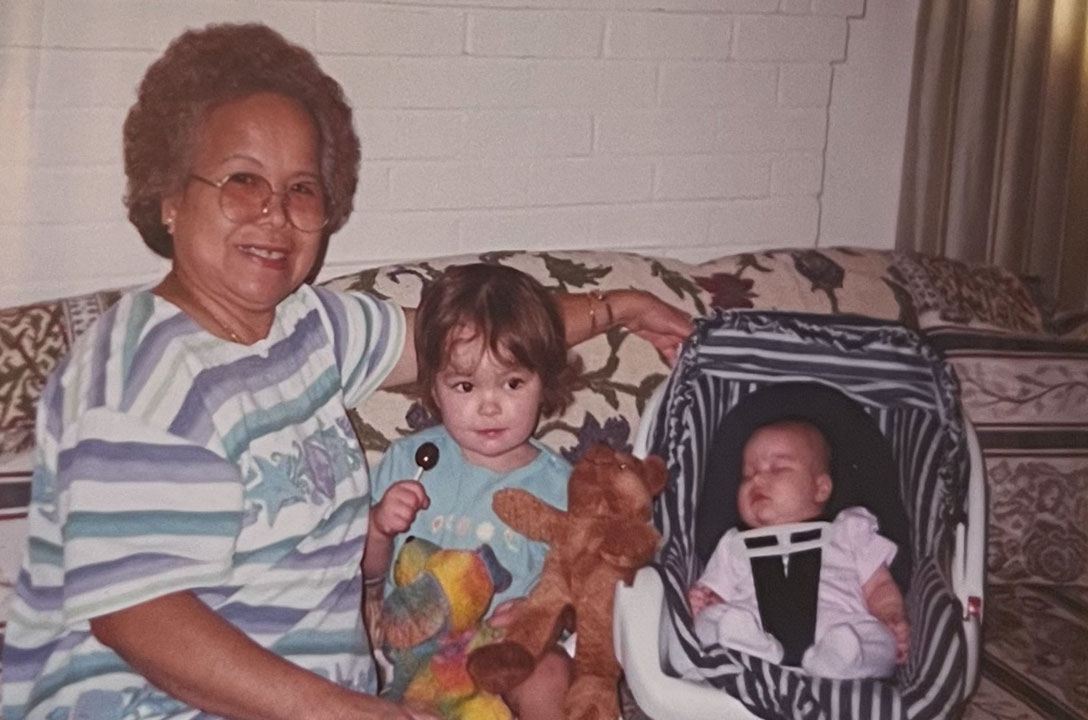
My grandmother’s story is one that many families and doctors have heard before. It's the all-too-common narrative of "if only we could have caught it earlier." I can't help but wonder what might have been, had she had access to an at-home cervical cancer screening test.
Teal Health is building an open dialogue and supportive community to help all women understand the importance of routine screening, have women feel empowered (and not embarrassed) to talk about it openly and have private, flexible access through their at-home test. At-home cervical cancer screening tests allow women to quickly (and affordably) take control of their cervical health in the comfort of their homes — without the need to wait for an appointment. By reducing barriers to testing, at-home cervical cancer screening can change the conversation — and the negative outcomes — for other women and their families.
We encourage you to schedule your routine screening if you have not already. Check medical eligibility to get started and see if Teal is right for you.

.png)
