When to screen for cervical cancer
A guide to the current U.S. self-collection guidelines for at-home cervical cancer screening, and when self-collection at home is a fit.

Who can screen at home
25–65
year olds
with a cervix: have not had a full hysterectomy and removed the cervix
Average
Risk
3 years
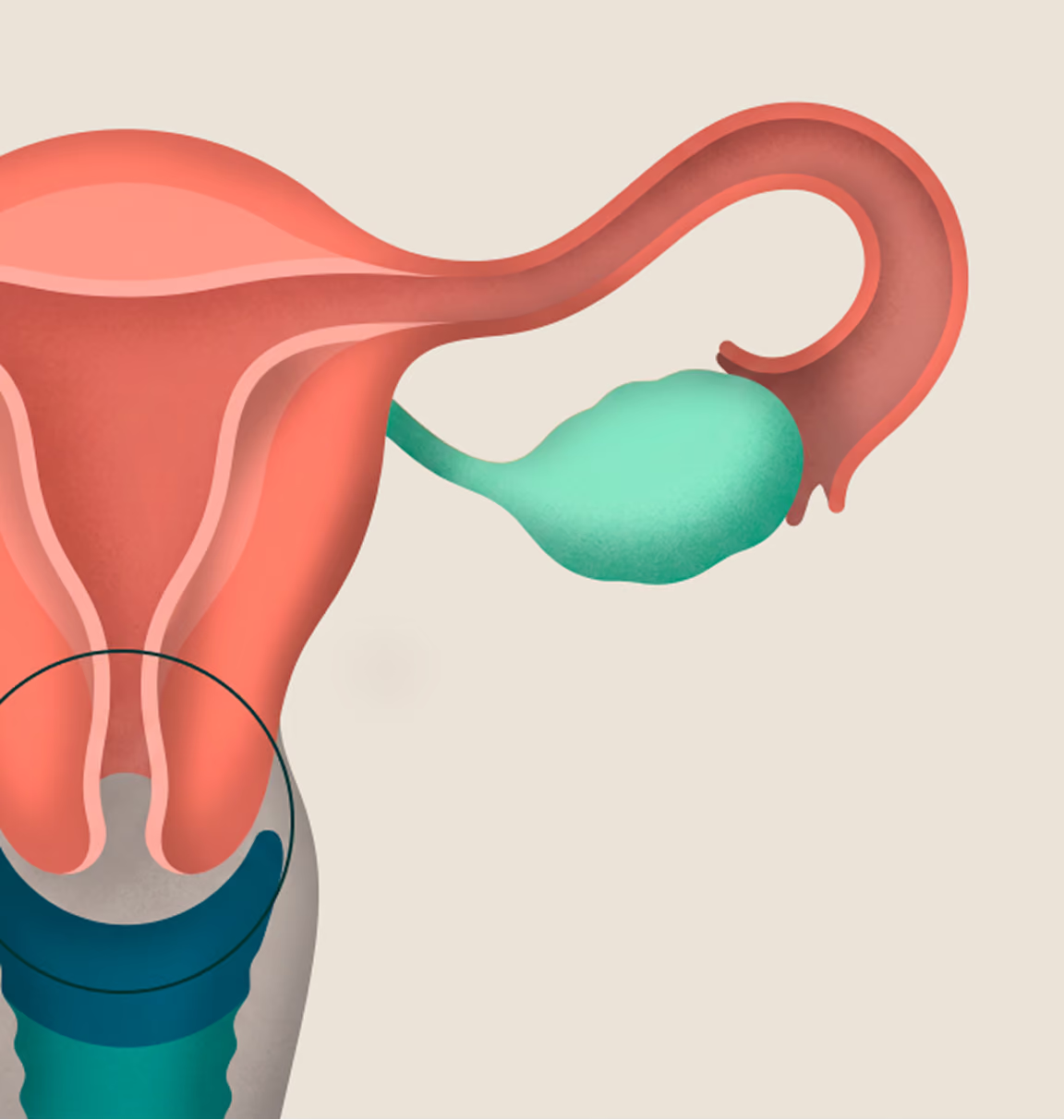
Three FDA-approved screening tests.
All three modern FDA-approved cervical cancer screening tests are good at finding cancer and pre-cancer.5 The Primary HPV test is the most sensitive test and recommended by leading institutions — and it’s the one the Teal Wand uses.
Tests for the 14 high-risk HPV types that cause nearly all cervical cancers, catching pre-cancer at the source, before cells change. HPV testing is the only test that allows self-collection.
Test performed with the Teal Wand
Every 3 yrs
Runs both the HPV test and a Pap together. Catches the cause and any cellular changes — can only be done with a speculum exam in a clinical setting.
Every 5 yrs
Looks under a microscope for abnormal cells that have already started to change — nearly always caused by persistent HPV.
Every 3 yrs
Who can self-collect at home?
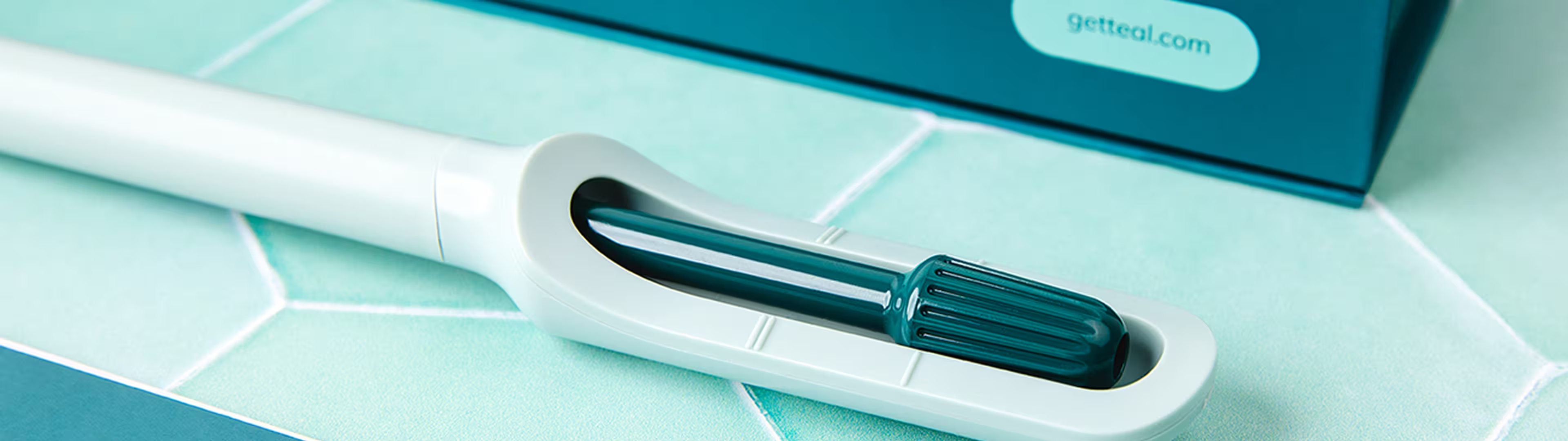
The Teal Wand is an FDA-authorized self-collection device for at-home cervical cancer screening. Per medical guidelines from the ASCCP6 and the American Cancer Society1, self-collection is acceptable for people who:

Have a cervix and are 25–65 years old.
The standard age window for routine HPV testing for people at average risk.
Don’t experience abnormal bleeding.
New, persistent, or unusual symptoms warrant an in-person visit before screening at home.
Don’t take medication that suppresses the immune system.
Immune-suppressing therapy can change screening cadence and is best handled with your in-person provider.
Don’t have a history of reproductive-system cancer, HIV, or DES exposure.
These histories typically call for more frequent or specialized screening pathways.
Haven’t had treatment for cervical precancer (LEEP or cold-knife cone) in the last 25 years.
No speculum. A self-collection Wand with a small soft sponge, engineered with — and used by — thousands of women.
Not sure if self-collection is the right fit? We will check your medical eligibility before you order. Get Started.
From mailbox to results— in about a week.
Self-collection is only useful if the follow-up is too. Here’s what happens after your Teal Wand sample leaves your home.
01
Mail in your sample after self-collecting with the Teal Wand.
02
Results in about a week, reviewed by a Teal medical provider.
Results are delivered through the secure Teal portal. A licensed Teal Medical provider reviews every result and shares a summary with you.
03
If normal: you’ll get a clear next-screen date.
Your Teal Medical provider tells you exactly when to screen next, based on your result and history — usually three years out.
04
If abnormal: a virtual visit to discuss next steps.
Depending on the HPV type detected, your Teal Medical provider may recommend an in-person colposcopy or a Pap (cytology). We will help navigate your care.
Keep up with your regular screenings, without the speculum.
Primary HPV testing at home, on your timeline with results reviewed and shared by a Teal Medical provider.
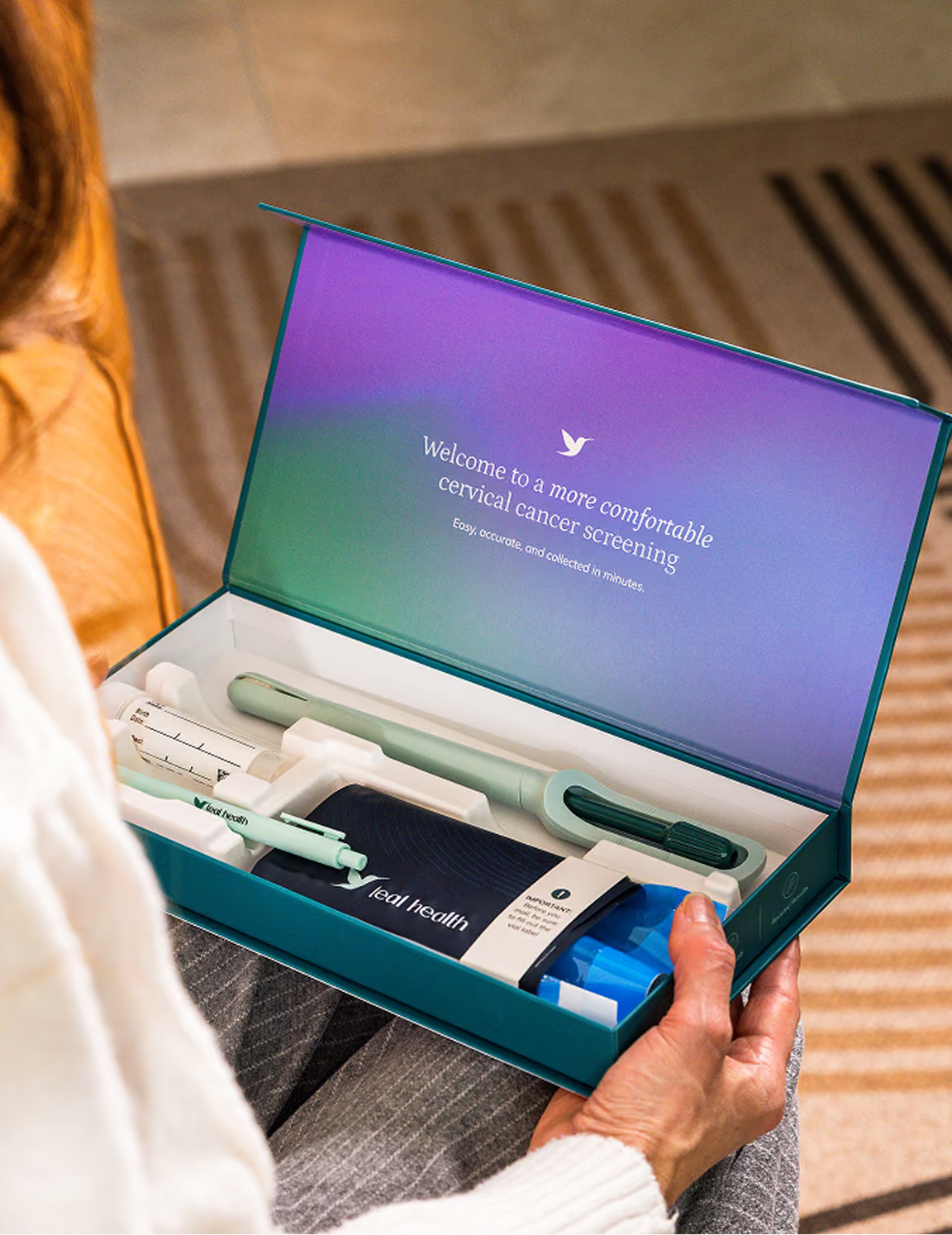
Cervical cancer is nearly 100% preventable with routine screening.
Cervical cancer forms in the cervix and is almost always caused by high-risk HPV. Regular HPV screening detects these specific types early, giving you the power to protect your health.
Rarely
does cancer occur when regularly screened2
According to the American Cancer Society, cervical cancer rarely occurs in people who get regular screening tests.
95%
of cervical cancers are caused by HPV3
High-risk HPV is the single biggest risk factor. Today’s screening tests look directly for the types that cause cancer.
Saves Lives
Screening catches disease
The HPV vaccine provides strong protection — but regular screening is still essential, regardless of vaccination status. The vaccine protects against most high-risk types, not all of them.4
Everything you might be wondering.
A Teal Medical provider will recommend next steps, which may include a virtual visit and, depending on the HPV type detected, an in-person colposcopy or a Pap (cytology). Our team will help navigate you to an in-person provider.
People ages 25–65 with a cervix should screen every 3–5 years, depending on the test and collection method. If you’re under 25 or over 65 and want to screen, please consult a local healthcare provider.
Primary HPV testing, co-testing (HPV + Pap), and Pap smears are used for screening. Primary HPV is the most sensitive and better at preventing cervical cancers than Pap alone. Primary HPV testing also allows for at-home self-collection.
Yes. With the Teal Wand, you self-collect a vaginal sample at home for Primary HPV testing and, with a history of normal results, typically screen every 3 years.
Self-collection is acceptable for average-risk women ages 25–65 with a cervix who do not have abnormal bleeding or discharge, immunosuppression, HIV, DES exposure, history of cancer in the reproductive system, or recent treatment for cervical precancer (within 25 years).
Your test type, collection method (self-collect vs. clinician-collect), and your results/history determine your interval. It’s generally not recommended to screen more frequently than every 12 months.
No. Regular screening is still essential regardless of vaccination status.
You mail your sample to the lab and receive results in about a week, reviewed by a Teal Medical provider and shared in your Teal portal. You’ll be advised on when to screen next or on any needed follow-up.
Test: The screening intervals are different based on the accuracy (also called sensitivity) of the test and how early it can detect abnormalities that could be a sign of cervical cancer. Primary HPV is the most accurate and is validated to detect precancer. When HPV does not clear on its own, it can take the infected cells about 15-20 years to develop into cervical cancer. But when it is detected early, as precancer, there are several options to prevent cervical cancer – this is why it is typically recommended to screen every 3-5 years with the Primary HPV test.
The Pap smear is less accurate, and it is only able to detect abnormal cell changes once they have happened – which could be a sign of cancer already being present. Therefore, if you are screening with the Pap smear, you have to screen more often.
Collection Method: Just as we saw the screening intervals evolve decades ago, the screening guidelines for self-collection (at-home and in-clinic) will likely also evolve as Primary HPV testing becomes more widely adopted in the U.S.
Sources & references
Teal follows current medical guidelines from leading organizations (ASCCP and ACS), and we will continue to update as recommendations for self-collection evolve.