

The Quick Read
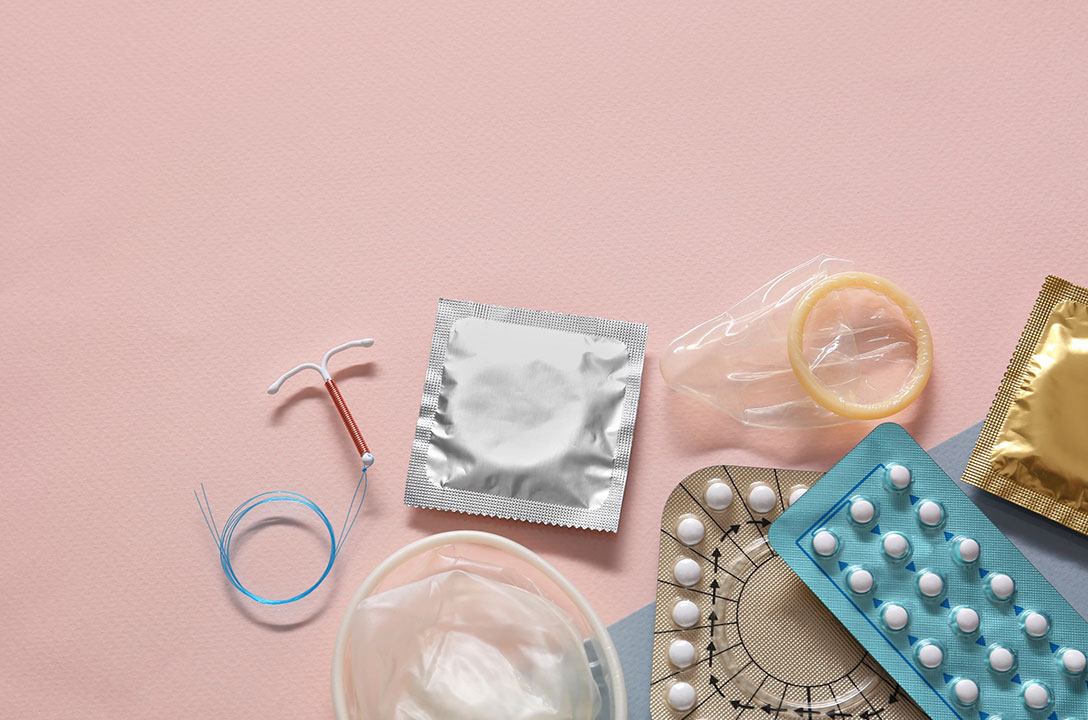
- When it comes to exploring birth control methods for pregnancy prevention or managing your menstrual cycle, you have many options to choose from, and ones that may fit your lifestyle better than others.
- Some are over-the-counter (OTC) and others are by prescription (Rx) only.
- It is good to understand your goals of birth control, to select which options might be best.
When it comes to exploring birth control methods for pregnancy prevention or managing your menstrual cycle, you have many options to choose from, and ones that may fit your lifestyle better than others. Some are over-the-counter (OTC) and others are by prescription (Rx) only.
Below, we describe the many types of birth control and the pros and cons of each. However, first, it is good to understand your goals of birth control, to select which options might be best. We have identified some of the most common requests when considering birth control and identified the different methods a person can consider for each.
To jump straight to the 14 different birth control methods, skip down the page and learn how each method works.
Common Birth Control Requests Matched to Birth Control Methods to Consider
I want the option to skip my period.
It is normal and healthy to have fewer periods if you want to. This category includes pills, patches, or vaginal rings with both estrogen and progesterone or pills with only progesterone. Most are packaged to have some days off to allow a period, but they can all be taken continuously so you can try to avoid having a period altogether.
- Oral Pills - Estrogen and Progesterone
- Oral Pills - Progesterone Only
- Vaginal Ring
- Patch
I want excellent contraception that lasts for years, but nothing permanent.
These options are also known as LARC, or long active reversible contraception. They can last months to years depending on the type.
- Arm Insert
- Injection
- IUDs (Intrauterine Devices)
I want a more natural option - no hormones and nothing invasive.
This group is largely available without a prescription (aside from a diaphragm). They tend to have higher failure rates and potential for human error but are generally inexpensive and accessible.
- Spermicides and Vaginal Gels
- Timed Abstinence/Fertility Awareness
- Withdrawal Method
- Condoms
- Diaphragm
I am done having children and want a permanent solution.
- See Permanent Methods (#13) Below
I need some urgent prevention - the condom broke!
- See Emergency Contraception (#14) Below
______________________
14 Birth Control Methods
1. Oral Pills - Estrogen/Progesterone
Common Brands: Loestrin, Yaz, Yasmin, Levlen, Seasonal
Pregnancy prevention with typical use: 93%
How it works: Prevents ovulation and thickens cervical mucus.
Pros: Lighter menses, fewer cramps/PMS, reduced acne. Using combined hormonal contraception for 5 years or more can reduce the risk of ovarian cancer by 30-50%.
Cons: Spotting, mood changes, headache, and breast tenderness; can lower libido.
Unique factors: Combined hormonal pills are the most commonly used form of birth control.
______________________
2. Oral Pills - Progesterone only
Common Brands: Opill, Errin, Slynd
Pregnancy prevention with typical use: 93%
How it works: Prevents ovulation, thickens cervical mucus, and thins the uterine lining.
Pros: Lighter menses, fewer cramps/PMS.
Cons: Mood changes, headache, and breast tenderness.
Unique factors:
- Norgestrel (Opill) is the newest option. It’s norgestrel, a progesterone that has been used for decades as part of combined birth control pills and was given FDA approval for over-the-counter use in July 2023.
- Norethindrone ( Errin, aka “the minipill”) is often chosen by breastfeeding women to avoid potential estrogen suppression of the milk supply.
- Drospirenone (Slynd) lasts longer in our bodies, so it is less time-dependent than the other options and has more consistent suppression of ovulation. No generic option yet, so it may be more expensive.
______________________
3. Vaginal Ring - Estrogen/Progesterone
Common Brands: Nuvaring and Annovera
Pregnancy prevention with typical use: 93%
How it works: Prevents ovulation and thickens cervical mucus.
Pros: Lighter menses, fewer cramps/PMS, reduced acne. Using combined hormonal contraception for 5 years or more can reduce the risk of ovarian cancer by 30-50%.
Cons: Spotting, mood changes, headache, and breast tenderness; can lower libido.
Unique factors:
- Two different rings are available - Nuvaring you replace monthly, Annovera lasts 12 months, making these a good option for those who don’t like taking or don’t remember to take a pill.
- You should avoid oil and silicone based lubricants when using the rings.
- Water based lubricants are fine.
______________________
4. Patch - Estrogen/Progesterone
Common Brands: Xulane, Twirla
Pregnancy prevention with typical use: 93%
How it works: Prevents ovulation and thickens cervical mucus.
Pros: Lighter menses, fewer cramps/PMS, reduced acne. Using combined hormonal contraception for 5 years or more can reduce the risk of ovarian cancer by 30-50%.
Cons: Mood changes, headache, breast tenderness, adhesive can be irritating to skin; can lower libido.
Unique factors:
- Use one patch per week, usually 3 weeks in a row, then take a week off.
- Xulane should not be used in those with a body mass index (BMI) >30 or those weighing more than 198 lbs due to higher risk of blood clots.
- Twirla has slightly less estrogen than Xulane, so may have a higher failure rate in those with BMI >25. Not recommended for use with a BMI >30.
______________________
5. Arm Insert
Common Brands: Nexplanon
Pregnancy prevention with typical use: >99%
How it works: Prevents ovulation and thickens cervical mucus.
Pros: Minimal to no menses.
Cons: Spotting and weight gain.
Unique factors:
- It is placed under the skin of your upper/inner arm at the doctor’s office with local numbing medicine and using a hand held needle/injector. The insert can be felt and potentially seen under the skin.
- The Nexplanon lasts for up to 5 years (FDA approved 3 years).
______________________
6. Injection
Common Brands: Depo Provera and Depo-SubQ Provera
Pregnancy prevention with typical use: 94%
How it works: Prevents ovulation and thickens cervical mucus.
Pros: Minimal to no menses.
Cons: Spotting, weight gain, acne.
Unique factors:
- Intramuscular injection given every 3 months in the clinic.
- Subcutaneous injection self-administered at home every month.
______________________
7. IUDs (Intrauterine Devices)
Common Brands: Depo Provera and Depo-SubQ Provera
Pregnancy prevention with typical use: >99%
How it works: IUDs are thought to prevent sperm from fertilizing an egg. The progesterone IUDs also thicken the cervical mucus. IUDs require an office visit for insertion. Ask your provider for local anesthesia/numbing to help with the discomfort.
Progesterone IUDs
Pros: Progesterone IUDs are great options for those with heavy periods, painful periods, or endometriosis as they thin the uterine lining.
Cons: Getting an IUD placed does cause cramping, and the progesterone IUD commonly causes spotting during the first weeks to months of use.
Unique factors: Progesterone IUDs come in 3 different strengths (two sizes), and last for 3 years (Skyla), 5 years (Kyleena), or 8 years (Mirena & Liletta).
Copper IUD
Pros: FDA approved for 10 years, clinically proven to last 12 years.
Cons: The copper IUD may make menses longer/heavier.
Unique factors: Can be used as emergency contraception if inserted within 5 days of intercourse.
______________________
8. Spermicides and Vaginal Gels
Pregnancy prevention with typical use: 72-86%
How it works: Spermicides use a chemical, usually nonoxynol-9, damages the sperm and slows them down so they are unable to reach the egg for fertilization. There are also hormone-free vaginal gels, including FDA-approved options, that work by maintaining vaginal pH to lower sperm mobility, similarly lowering the chance sperm can reach the egg.
Pros: Many forms are available - gels, foam, jelly, creams, and films.
Cons: Can cause irritation, must be inserted into the vagina with each act of intercourse.
Unique factors: The Today sponge was a popular form of spermicide, even the topic of a Seinfeld episode, but is not currently being manufactured.
______________________
9. Timed Abstinence/Fertility Awareness
Pregnancy prevention with typical use: 76% historically, newer options report up to 94%
How it works: Users chart the menstrual calendar, sometimes tracking daily body temperature, to predict fertile days to guide when to avoid intercourse.
Pros: Menstrual tracking apps are often free. Newer versions, including FDA-approved options, combine temperature tracking with menstrual cycle information which may make them more effective in preventing pregnancy.
Cons: Can be more difficult to predict fertile days in those with irregular menses.
Unique factors: Ovulation can vary in timing month to month even with regular menses.
______________________
10. Withdrawal Method
Pregnancy prevention with typical use: 78-80%
How it works: Male partner removes penis from vagina prior to ejaculation.
Pros: It’s free
Cons: Can alter the experience of sex, relies on a partner.
Unique factors: Higher failure rate due to risk of sperm escaping prior to pulling out
______________________
11. Condoms
Pregnancy prevention with typical use: 82% with male condoms and 79% with female condoms.
How it works: A latex or non-latex layer blocks sperm from entering the vagina.
Pros: Also protects against STIs! Both partners can provide this option.
Cons: Can cause irritation, you need to use a new condom each time you have intercourse.
Unique factors:
- Latex and non-latex available for male condoms
- Some come with spermicide
- Avoid oil-based lubricants as these can damage the condoms
- Water and silicone-based lubricants are fine
______________________
12. Diaphragm
Pregnancy prevention with typical use: 88%
How it works: A diaphragm is a reusable silicone saucer-shaped device, fitted by a health care provider to the size of the upper vagina, so it covers the cervix.
Pros: The same diaphragm can be used for years.
Cons: Some planning is required. It must be used with a spermicide gel which can cause irritation.
Unique factors: It can be placed up to 18 hours prior to having sex and needs to be left in place 6 hours afterwards. (Max time of 24 hours in the vagina)
______________________
13. Permanent Methods
For Men
Pregnancy prevention with typical use: > 99%
How it works: A vasectomy involves disconnecting the tubes in the testes (the vas deferens) to prevent sperm from exiting.
Pros: The procedure is done in the clinic.
Cons: Risks include pain, bleeding, and infection.
Unique factors: Men undergo an office procedure performed by a urologist using a local numbing medicine. Vasectomy reversals are an option for those who change their minds. Success rates vary depending on how long ago the vasectomy was performed, ranging between 60-90%, and insurance may not cover the procedure.
For Women
Surgery can either remove or block the fallopian tubes
Pregnancy prevention with typical use: > 99%
How it works: Women are given general anesthesia for surgery, which is performed by a gynecologist who uses a camera and instruments through small openings in the abdominal wall (laparoscopy).
Pros: Removing the fallopian tubes has been found to reduce the risk of ovarian cancer by about 80%.
Cons: Risks include bleeding, infection, pain, and reactions to anesthesia.
Unique factors: This procedure can also be done in the first few postpartum days with a mini incision near the belly button. Reversals can be attempted, depending on the type of surgery initially performed. Thinking of this method as a permanent surgery is recommended, though, as there are variable success rates with attempts to reverse the tubal surgery, it requires a specialist to do the surgery, and is often not covered by insurance.
______________________
14. Emergency Contraception
These three methods prevent pregnancy and do not disrupt a pregnancy post-fertilization. If you do not get a menses within three weeks of using any of these, please do a pregnancy test.
Levonorgestrel
Common Brands: Plan B, Julie, MyChoice, Aftera
Pregnancy prevention with typical use: 97%
How it works: Prevents or delays ovulation. Works best when taken within 72 hours of unprotected intercourse, but can still have some success when used up to 5 days after. Best to use as soon as possible.
Pros: Available over the counter and by prescription.
Cons: Headache, nausea, cramps, change in timing of menses, reduced effectiveness with a BMI >30.
Unique factors: It is ok to use this more than one time in a menstrual cycle, and fine to start hormonal contraception as soon as the next day.
Ulipristal
Common Brand: ella
Pregnancy prevention with typical use: 98%
How it works: Blocks progesterone to prevent or delay ovulation. One pill is taken within 120 hours (5 days) of unprotected intercourse. Best to use as soon as possible.
Pros: More effective than levonorgestrel.
Cons: Requires a prescription from a provider, can cause headache, nausea, cramping, change in timing of menses, reduced effectiveness with BMI >30.
Unique factors: You need to wait 5 days before starting hormonal birth control or the ulipristal can be less effective.
IUDs (Copper IUD/ Paragard, 52mg Progesterone IUDs/Mirena & Liletta)
IUDS can be inserted by a provider within 5 days of unprotected intercourse to prevent pregnancy >99% of the time.
- 52 mg Progesterone IUDs are FDA approved for 8 years.
- Copper IUD is FDA approved for 10 years, clinically proven to last 12 years.