

Get real with Teal
Thoughtful, trusted articles covering a range of women’s health topics - to help you stay informed and support your health and well-being.


Get Teal Health in your inbox
Featured article

Can I Screen for Cervical Cancer At Home?
The Teal Wand has been FDA-authorized, allowing you to self-collect a vaginal sample for your cervical cancer screening from the comfort of your home. In this guide, we discuss who can use the Teal Wand (right now).
Read MoreLatest articles
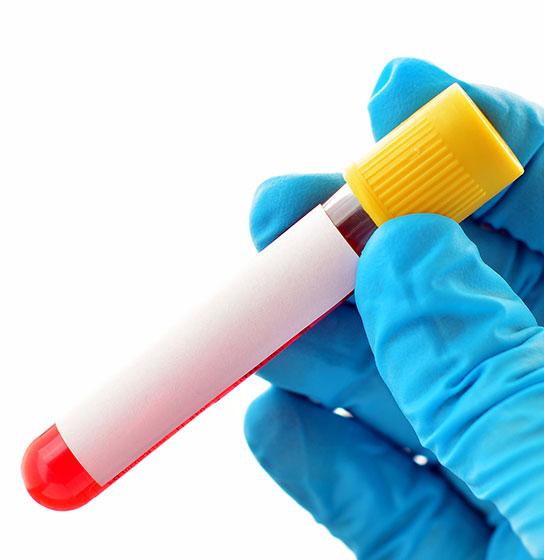
Sexually Transmitted Infections: Testing and Treatment
For sexually active people, 25 years of age and older, the CDC recommends yearly STD/STI tests if you are at an increased risk, such as having new or multiple partners. This is most commonly a blood or urine test.
Beginning in your 20s (or earlier), an OB/GYN or specialized nurse practitioner may ask questions about your sexual health. While this discussion may feel personal and private, a provider’s questions are intended to discover whether you are sexually active, if you are at risk for an unplanned pregnancy, or at risk for sexually transmitted diseases or infections (STDs/STIs).
For sexually active people, 25 years of age and older, the CDC (Centers for Disease Control and Prevention) recommends yearly STD/STI tests if you are at an increased risk, such as having new or multiple partners. This is most commonly a blood or urine test.
What is a sexually transmitted infection (STI)/sexually transmitted disease (STD)?
An STI/STD is acquired during sexual intercourse with an infected partner. It can be due to any of the following:
STI/STDs and Their Cause
Bacteria
- Chlamydia
- Gonorrhea
- Mycoplasma genitalium (Mgen)
- Syphilis
Parasites
- Trichomonas
Viruses
- Human papillomavirus (HPV)
- Human immunodeficiency virus (HIV)
- Herpes (HSV)
- Hepatitis B (HBV)
______________________
Chlamydia
What causes chlamydia? A bacteria, chlamydia trachomatis, through contact with an infected partner by oral, vaginal, or anal intercourse.
Symptoms? Often there are no symptoms or there can be vaginal discharge and/or pain with urination. If left untreated, chlamydia can lead to pelvic inflammatory disease, infertility, higher risk for ectopic pregnancy, and pelvic pain.
Who should be tested? Pregnant women and sexually active individuals should test every year until 24 years old. For those 25 and older, yearly screening is recommended if they have a new partner, multiple partners, or a partner who tests positive for an STI.
Treatment? Antibiotics - oral pills
______________________
Gonorrhea
What causes gonorrhea? A bacteria, neisseria gonorrhoeae, through contact with an infected partner by oral, vaginal, or anal intercourse.
Symptoms? Often there are no symptoms or there may be vaginal discharge, abnormal bleeding, pain with urination. If left untreated gonorrhea can lead to pelvic inflammatory disease, infertility, higher risk for ectopic pregnancy, and pelvic pain.
Who should be tested? Pregnant women and sexually active individuals should test every year until 24 years old. For those 25 and older, yearly screening is recommended if they have a new partner, multiple partners, or a partner who tests positive for an STI.
Treatment? Antibiotics - intramuscular injection/shot
______________________
Mycoplasma genitalium (Mgen)
What causes Mgen? A bacteria, mycoplasma genitalium, through contact with an infected partner by vaginal or anal intercourse. It is not yet known if Mgen is acquired orally.
Symptoms? Often there are no symptoms or there may be vaginal discharge, abnormal bleeding, or pain with urination. If left untreated, Mgen can lead to pelvic inflammatory disease, infertility, higher risk for ectopic pregnancy, and pelvic pain.
Who should be tested? Individuals with any of the above symptoms, those with a partner with symptoms, or a known exposure to Mgen.
Treatment? Antibiotics - oral pills
______________________
Syphilis
What causes syphilis? A bacteria, treponema pallidum, through contact with an infected partner by oral, vaginal, or anal intercourse.
Symptoms? There are four stages each with different symptoms, plus congenital syphilis.
- Primary syphilis: usually causes firm round painless lesion(s) in the area of the body where infection occurred. These lesions will go away in 3-6 weeks even if you are not treated.
- Secondary syphilis: symptoms vary from a non-itchy rash, sores, or feeling sick with fever, aches, sore throat, fatigue, etc. These symptoms will also go away within weeks even if you are not treated.
- Latent syphilis: a phase without any symptoms that can last years.
- Tertiary syphilis: occurs when symptoms return after the latent phase, sometimes decades after the initial infection. It can affect the heart, blood vessels, brain, or nervous system.
- Congenital syphilis: rates have been increasing in the past few years affecting newborns who are born to those with syphilis. Risks include stillbirth, preterm birth, low birth weight, and other health complications if not treated right after delivery.
Who should be tested? Pregnant women, individuals with any of the above symptoms, those with a partner with symptoms, or a known exposure to syphilis.
Treatment? Antibiotics - usually an intramuscular shot, but dosing will vary depending upon the stage of disease.
______________________
Trichomonas
What causes trichomonas? A parasite, trichomonas vaginalis, through contact with an infected partner by oral, vaginal, or anal intercourse.
Symptoms? About 70% of the time there are no symptoms. If symptoms are present it’s often a thin vaginal discharge, vaginal itching/odor, or pain with urination. If left untreated the symptoms will usually persist.
Who should be tested? Individuals with any of the above symptoms, those with a partner with symptoms, or a known exposure to trichomonas.
Treatment? Antibiotics - oral pills
______________________
Human Papillomavirus (HPV)
What causes HPV? HPV is most commonly transmitted from one person to another through vaginal, anal, or oral sex.
Symptoms? HPV is often asymptomatic, making it very easy for someone to pass it on to someone else without knowing.
Who should be tested? Therefore, it is important to make sure you are getting screened when appropriate and medically recommended. All women and people with a cervix should be screening regularly per medical guidelines for cervical cancer screening.
Treatment? HPV usually clears on its own within two years, however a persistent infection with a high-risk type of HPV can cause cancer and therefore needs to be monitored through cervical cancer screening.
For more information, see our detailed article on HPV.
______________________
Human Immunodeficiency virus (HIV)
What causes HIV? Human immunodeficiency virus, through contact with an infected partner by vaginal or anal intercourse or by sharing needles. Bodily fluids which transmit the virus include blood, semen, rectal fluid, vaginal fluid, and breast milk. The virus can also be transmitted to the unborn child during pregnancy.
Symptoms?
- Stage 1: includes flu-like symptoms for days to weeks, and are very contagious.
- Stage 2: chronic infection occurs often without symptoms but people are still contagious.
- Stage 3: without treatment, some will progress to having acquired immunodeficiency syndrome (AIDS), people get very sick with a damaged immune system, and are still contagious.
Who should be tested?
- All individuals should be tested at least once between the ages of 13-64 years old.
- Pregnant individuals for each pregnancy.
- You've had anal or vaginal sex with someone who has HIV.
- You've had more than one sex partner since your last HIV test.
- You've shared needles, syringes, or other drug injection equipment (for example, cookers).
- You've been diagnosed with or treated for another sexually transmitted infection, hepatitis, or tuberculosis (TB).
Treatment? Antiretrovirals - (ART) oral pills will treat those with the virus. Antiretrovirals can also be used to prevent getting HIV (PrEP).
______________________
Herpes Simplex Virus (HSV 1 & HSV 2)
What causes herpes? A virus, HSV 1 or HSV 2, through contact with an infected partner by oral, vaginal, or anal intercourse. The virus is spread by skin-to-skin contact - for example kissing someone with active viral shedding or a blister on the lip could spread the infection. This also includes active lesions on other parts of the body, viral shedding without lesions, infected saliva, or genital discharge. Condoms may not fully protect, as there can still be exposed skin.
Symptoms? Much of the time there are no symptoms. If symptoms are present it usually starts as one or more blisters which turn into painful sores. Initial outbreaks also often cause fever, aches, and enlarged lymph nodes. Outbreaks can recur at random times or with stress. HSV 1 more often causes oral herpes (cold sores), HSV 2 more often causes genital herpes, though either type can occur in both locations.
Who should be tested? Individuals with the above symptoms.
Treatment? Antivirals - oral pills to treat each outbreak or daily to suppress future outbreaks and reduce transmission to partners.
______________________
Hepatitis B (HBV)
What causes Hepatitis B? A virus, HBV 1, through contact with an infected partner by oral, vaginal, or anal intercourse.
Symptoms? Many have no symptoms. Some will have fever, fatigue, dark urine, clay-colored stool, nausea, vomiting, loss of appetite, or yellow skin/eyes.
Who should be tested? Every pregnant person, each pregnancy. Infants born to infected mothers. Every adult should be tested at least once in their life. Those at high risk should be tested regularly. Here are some examples of those at high-risk:
- A history of sexually transmitted infections or multiple sex partners
- A history of past or current HCV infection
- Having human immunodeficiency virus (HIV) infection
- Having current or former household contacts of people with known HBV infection
- Having shared needles with or engaged in sexual contact with people with known HBV infection
Treatment? There is no medical treatment for acute infection, just rest, hydration, and good nutrition. For chronic hepatitis B there is no cure, but antiviral treatment is available to reduce viral counts. Prevention with the HBV vaccine is recommended for infants or anyone not vaccinated up to age 59, and those at high risk over age 60 (see list above).
______________________
What can I do to avoid getting an STI/STD?
Use condoms each time you have sex to reduce the risk of getting infections and get yourself and your partner tested prior to starting a sexual relationship.

10 Questions to Ask Your Doctor When Trying to Conceive
We asked our Medical Director and OBGYN, Dr. Liz Swenson, for responses to some of the most common pregnancy planning questions.
Whether it will be your first pregnancy or a subsequent pregnancy, a lot of questions can arise when planning to have a baby.
Having a visit with your healthcare provider ahead of time is a great way to be sure you are not missing out on any important steps of preparing yourself to carry and care for your future child. Your provider will have some questions for you, like what medicines and supplements you are taking, what your past medical and obstetric history involves, and the details of your menstrual cycle. You should prepare some questions for your provider as well.
We asked our Medical Director and OBGYN, Dr. Liz Swenson, for responses to some of the most common pregnancy planning questions.
1. What can I do to optimize my health before I am pregnant?
Here are some guidelines from the American College of Obstetricians and Gynecologists, ACOG.
- Be sure you are up-to-date on your vaccinations, including a yearly flu and COVID shot.
- Try to maintain a habit of regular exercise.
- Be at a healthy weight, and eat a diet balanced in whole grains, protein, veggies, fruits, and dairy (plant-based is ok).
- Start limiting caffeine intake, as you should consume 200 mg or less per day during pregnancy.
- Stop drinking alcohol once you are pregnant.
- Avoid use of other drugs and tobacco products.
- Meet with your provider to review your medical conditions and prescription medications to see if changes or tests are recommended.
2. Should I be taking a prenatal vitamin? If so, when should I start, and which one should I take?
Prenatal vitamins are ideally started before you get pregnant. The ingredient folic acid, in particular, is important in the early stages of pregnancy due to its role in preventing problems with spinal cord formation (called neural tube defects). In general, most over-the-counter prenatal vitamins will have adequate levels of critical vitamins and nutrients. Your obstetric provider may have a recommendation, or they may leave it up to you. Try to keep it simple by choosing a familiar brand that gives a dose of one pill a day with at least 0.4mg of folic acid. If you have problems swallowing pills, there are brands available as chewable gummies, too.
3. I am currently taking a birth control pill - how long do I need to be off this before getting pregnant?
There is no specific amount of time needed off a birth control pill or other hormonal contraception before getting pregnant. It’s safe to start trying right away. It can take a month or two for periods to become regular again once you stop taking the contraceptive, but you may still get pregnant during that time.
4. What if my periods are not regular?
This depends on how irregular your periods are. If they are just a few days off and still coming every 24-38 days, you may want to use an ovulation predictor kit (available over-the-counter) to help track your most fertile days. If you are skipping months, not getting positive results with the ovulation tests, or getting a period more than once a month, it would be best to set up an appointment with a fertility provider or OBGYN to get evaluated.
5. How do I track my cycles and know when I am fertile?
In general, it’s recommended to have sex every 1-2 days during the week of ovulation. As mentioned above, home ovulation predictor kits can be used in addition to temperature tracking (called basal body temperature tracking). Both methods allow you to detect a spike in a hormone (LH) that occurs 24-36 hours prior to ovulation. Timing intercourse the day of the positive result and again the next day will help the sperm be in the right place at the optimal time.
6. How will I know if I am pregnant, and how can I test?
Home urine pregnancy tests are widely available and quite accurate at detecting an early pregnancy. Ideally, wait to see if you miss your period, then do a test. This can help ensure the level of pregnancy hormone (hCG) is in the detectable range. For some, these tests could detect a pregnancy sooner, even as early as a week after ovulation. If you choose to test early and it’s negative, be sure to test again if you end up with a late period.
7. How long should I try to get pregnant before getting help?
For those under 35 years old, it is recommended to try for a year before getting help, as the average time to get pregnant ranges from 9-12 months. If you are 35-39 years old, you can get help after trying for 6 months. And, if you are 40 years or older, getting an immediate consultation is recommended as you may need to enact a plan quickly. For any age, if you are not getting a period every month or are having other abnormal bleeding, we recommend seeing your provider as soon as possible for further evaluation.
8. Do I need any tests before trying to get pregnant?
Making sure you are up-to-date on your screening tests is recommended prior to pregnancy. This includes an HPV test to check for cervical cancer, tests for sexually transmitted infections, and a mammogram (as recommended based on your age and family medical history). If you have other health conditions, lab tests are helpful to see if they are well managed. For example, you should have good control of diabetes, thyroid disease, anemia, and high blood pressure before getting pregnant, as these conditions can increase health risks to both the pregnancy and the mother.
Everyone has the option for carrier screening before getting pregnant, which can help identify the likelihood that particular genetic conditions are inherited. Also, if you have a known family history of a certain genetic condition (i.e., Fragile X syndrome), you have the opportunity to test for this (and discuss possible pregnancy management approaches) prior to getting pregnant.
Carrier screening is done as a blood test ordered by your OBGYN or a genetic counselor that checks for a panel of genetic conditions, including cystic fibrosis and Fragile X syndrome. Usually, you are tested first and if you are found to be a carrier of any of the conditions, your partner is then tested. If both you and your partner carry the gene, or if a gene is dominant (meaning that one carrier is enough to pass it down), there is a significant chance of having an affected child. In these cases, couples have the option of doing in vitro fertilization (IVF) and testing embryos before use, or opting for other approaches to pregnancy (e.g., donor sperm, eggs, or embryos).
9. Are there testing options I can plan for during pregnancy?
Prenatal screening tests are available for everyone to check for abnormal chromosomes during the first and second trimesters of the pregnancy.
- Non invasive prenatal test (NIPT) evaluates fetal DNA circulating in the maternal blood (>10 weeks)
- First trimester combined test - involves a maternal blood test for specific markers and an ultrasound of the fetal neck thickness (NT) (11-14 weeks)
- Quad screen combines a maternal blood test for specific markers in the first and second trimesters
- An anatomy ultrasound is done between 18-22 weeks to look for fetal size, placental location, anatomical abnormalities, and markers for genetic conditions.
Diagnostic testing may also be recommended if you have a positive screening test, have other medical indications, or are considered higher risk for a chromosomal abnormality. They are invasive (done with a needle ) so carry a small risk for miscarriage. These diagnostic tests may also be an option if you are concerned about a specific genetic condition.
- Chorionic villus sampling - tests cells from the placenta to grow the pregnancy chromosomes (10-13 weeks)
- Amniocentesis - tests cells from the amniotic fluid to grow the pregnancy chromosomes (15-20 weeks)
10. What happens if I am over 35 years old during the pregnancy?
Similar to being pregnant before age 35, you will have the choice of prenatal screening tests for abnormal chromosomes during the first and second trimesters of the pregnancy. Those 35 and over also have the option to get a diagnostic test (like an amniocentesis) performed in addition to, or instead of, a screening test as the overall risk of a chromosome abnormality affecting the pregnancy is increased. You also may be more likely to need low-dose aspirin to prevent complications during the pregnancy. In some situations, you may need additional ultrasounds or monitoring to check the growth and well-being of your pregnancy. Your obstetric provider will guide you through this.
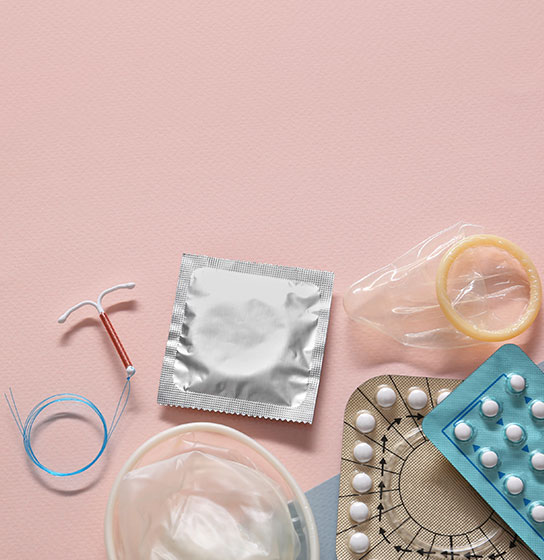
14 Birth Control Methods: What is Right For Me?
When it comes to exploring birth control methods for pregnancy prevention or managing your menstrual cycle, you have many options to choose from, and ones that may fit your lifestyle better than others.
When it comes to exploring birth control methods for pregnancy prevention or managing your menstrual cycle, you have many options to choose from, and ones that may fit your lifestyle better than others. Some are over-the-counter (OTC) and others are by prescription (Rx) only.
Below, we describe the many types of birth control and the pros and cons of each. However, first, it is good to understand your goals of birth control, to select which options might be best. We have identified some of the most common requests when considering birth control and identified the different methods a person can consider for each.
To jump straight to the 14 different birth control methods, skip down the page and learn how each method works.
Common Birth Control Requests Matched to Birth Control Methods to Consider
I want the option to skip my period.
It is normal and healthy to have fewer periods if you want to. This category includes pills, patches, or vaginal rings with both estrogen and progesterone or pills with only progesterone. Most are packaged to have some days off to allow a period, but they can all be taken continuously so you can try to avoid having a period altogether.
- Oral Pills - Estrogen and Progesterone
- Oral Pills - Progesterone Only
- Vaginal Ring
- Patch
I want excellent contraception that lasts for years, but nothing permanent.
These options are also known as LARC, or long active reversible contraception. They can last months to years depending on the type.
- Arm Insert
- Injection
- IUDs (Intrauterine Devices)
I want a more natural option - no hormones and nothing invasive.
This group is largely available without a prescription (aside from a diaphragm). They tend to have higher failure rates and potential for human error but are generally inexpensive and accessible.
- Spermicides and Vaginal Gels
- Timed Abstinence/Fertility Awareness
- Withdrawal Method
- Condoms
- Diaphragm
I am done having children and want a permanent solution.
- See Permanent Methods (#13) Below
I need some urgent prevention - the condom broke!
- See Emergency Contraception (#14) Below
______________________
14 Birth Control Methods
1. Oral Pills - Estrogen/Progesterone
Common Brands: Loestrin, Yaz, Yasmin, Levlen, Seasonal
Pregnancy prevention with typical use: 93%
How it works: Prevents ovulation and thickens cervical mucus.
Pros: Lighter menses, fewer cramps/PMS, reduced acne. Using combined hormonal contraception for 5 years or more can reduce the risk of ovarian cancer by 30-50%.
Cons: Spotting, mood changes, headache, and breast tenderness; can lower libido.
Unique factors: Combined hormonal pills are the most commonly used form of birth control.
______________________
2. Oral Pills - Progesterone only
Common Brands: Opill, Errin, Slynd
Pregnancy prevention with typical use: 93%
How it works: Prevents ovulation, thickens cervical mucus, and thins the uterine lining.
Pros: Lighter menses, fewer cramps/PMS.
Cons: Mood changes, headache, and breast tenderness.
Unique factors:
- Norgestrel (Opill) is the newest option. It’s norgestrel, a progesterone that has been used for decades as part of combined birth control pills and was given FDA approval for over-the-counter use in July 2023.
- Norethindrone ( Errin, aka “the minipill”) is often chosen by breastfeeding women to avoid potential estrogen suppression of the milk supply.
- Drospirenone (Slynd) lasts longer in our bodies, so it is less time-dependent than the other options and has more consistent suppression of ovulation. No generic option yet, so it may be more expensive.
______________________
3. Vaginal Ring - Estrogen/Progesterone
Common Brands: Nuvaring and Annovera
Pregnancy prevention with typical use: 93%
How it works: Prevents ovulation and thickens cervical mucus.
Pros: Lighter menses, fewer cramps/PMS, reduced acne. Using combined hormonal contraception for 5 years or more can reduce the risk of ovarian cancer by 30-50%.
Cons: Spotting, mood changes, headache, and breast tenderness; can lower libido.
Unique factors:
- Two different rings are available - Nuvaring you replace monthly, Annovera lasts 12 months, making these a good option for those who don’t like taking or don’t remember to take a pill.
- You should avoid oil and silicone based lubricants when using the rings.
- Water based lubricants are fine.
______________________
4. Patch - Estrogen/Progesterone
Common Brands: Xulane, Twirla
Pregnancy prevention with typical use: 93%
How it works: Prevents ovulation and thickens cervical mucus.
Pros: Lighter menses, fewer cramps/PMS, reduced acne. Using combined hormonal contraception for 5 years or more can reduce the risk of ovarian cancer by 30-50%.
Cons: Mood changes, headache, breast tenderness, adhesive can be irritating to skin; can lower libido.
Unique factors:
- Use one patch per week, usually 3 weeks in a row, then take a week off.
- Xulane should not be used in those with a body mass index (BMI) >30 or those weighing more than 198 lbs due to higher risk of blood clots.
- Twirla has slightly less estrogen than Xulane, so may have a higher failure rate in those with BMI >25. Not recommended for use with a BMI >30.
______________________
5. Arm Insert
Common Brands: Nexplanon
Pregnancy prevention with typical use: >99%
How it works: Prevents ovulation and thickens cervical mucus.
Pros: Minimal to no menses.
Cons: Spotting and weight gain.
Unique factors:
- It is placed under the skin of your upper/inner arm at the doctor’s office with local numbing medicine and using a hand held needle/injector. The insert can be felt and potentially seen under the skin.
- The Nexplanon lasts for up to 5 years (FDA approved 3 years).
______________________
6. Injection
Common Brands: Depo Provera and Depo-SubQ Provera
Pregnancy prevention with typical use: 94%
How it works: Prevents ovulation and thickens cervical mucus.
Pros: Minimal to no menses.
Cons: Spotting, weight gain, acne.
Unique factors:
- Intramuscular injection given every 3 months in the clinic.
- Subcutaneous injection self-administered at home every month.
______________________
7. IUDs (Intrauterine Devices)
Common Brands: Depo Provera and Depo-SubQ Provera
Pregnancy prevention with typical use: >99%
How it works: IUDs are thought to prevent sperm from fertilizing an egg. The progesterone IUDs also thicken the cervical mucus. IUDs require an office visit for insertion. Ask your provider for local anesthesia/numbing to help with the discomfort.
Progesterone IUDs
Pros: Progesterone IUDs are great options for those with heavy periods, painful periods, or endometriosis as they thin the uterine lining.
Cons: Getting an IUD placed does cause cramping, and the progesterone IUD commonly causes spotting during the first weeks to months of use.
Unique factors: Progesterone IUDs come in 3 different strengths (two sizes), and last for 3 years (Skyla), 5 years (Kyleena), or 8 years (Mirena & Liletta).
Copper IUD
Pros: FDA approved for 10 years, clinically proven to last 12 years.
Cons: The copper IUD may make menses longer/heavier.
Unique factors: Can be used as emergency contraception if inserted within 5 days of intercourse.
______________________
8. Spermicides and Vaginal Gels
Pregnancy prevention with typical use: 72-86%
How it works: Spermicides use a chemical, usually nonoxynol-9, damages the sperm and slows them down so they are unable to reach the egg for fertilization. There are also hormone-free vaginal gels, including FDA-approved options, that work by maintaining vaginal pH to lower sperm mobility, similarly lowering the chance sperm can reach the egg.
Pros: Many forms are available - gels, foam, jelly, creams, and films.
Cons: Can cause irritation, must be inserted into the vagina with each act of intercourse.
Unique factors: The Today sponge was a popular form of spermicide, even the topic of a Seinfeld episode, but is not currently being manufactured.
______________________
9. Timed Abstinence/Fertility Awareness
Pregnancy prevention with typical use: 76% historically, newer options report up to 94%
How it works: Users chart the menstrual calendar, sometimes tracking daily body temperature, to predict fertile days to guide when to avoid intercourse.
Pros: Menstrual tracking apps are often free. Newer versions, including FDA-approved options, combine temperature tracking with menstrual cycle information which may make them more effective in preventing pregnancy.
Cons: Can be more difficult to predict fertile days in those with irregular menses.
Unique factors: Ovulation can vary in timing month to month even with regular menses.
______________________
10. Withdrawal Method
Pregnancy prevention with typical use: 78-80%
How it works: Male partner removes penis from vagina prior to ejaculation.
Pros: It’s free
Cons: Can alter the experience of sex, relies on a partner.
Unique factors: Higher failure rate due to risk of sperm escaping prior to pulling out
______________________
11. Condoms
Pregnancy prevention with typical use: 82% with male condoms and 79% with female condoms.
How it works: A latex or non-latex layer blocks sperm from entering the vagina.
Pros: Also protects against STIs! Both partners can provide this option.
Cons: Can cause irritation, you need to use a new condom each time you have intercourse.
Unique factors:
- Latex and non-latex available for male condoms
- Some come with spermicide
- Avoid oil-based lubricants as these can damage the condoms
- Water and silicone-based lubricants are fine
______________________
12. Diaphragm
Pregnancy prevention with typical use: 88%
How it works: A diaphragm is a reusable silicone saucer-shaped device, fitted by a health care provider to the size of the upper vagina, so it covers the cervix.
Pros: The same diaphragm can be used for years.
Cons: Some planning is required. It must be used with a spermicide gel which can cause irritation.
Unique factors: It can be placed up to 18 hours prior to having sex and needs to be left in place 6 hours afterwards. (Max time of 24 hours in the vagina)
______________________
13. Permanent Methods
For Men
Pregnancy prevention with typical use: > 99%
How it works: A vasectomy involves disconnecting the tubes in the testes (the vas deferens) to prevent sperm from exiting.
Pros: The procedure is done in the clinic.
Cons: Risks include pain, bleeding, and infection.
Unique factors: Men undergo an office procedure performed by a urologist using a local numbing medicine. Vasectomy reversals are an option for those who change their minds. Success rates vary depending on how long ago the vasectomy was performed, ranging between 60-90%, and insurance may not cover the procedure.
For Women
Surgery can either remove or block the fallopian tubes
Pregnancy prevention with typical use: > 99%
How it works: Women are given general anesthesia for surgery, which is performed by a gynecologist who uses a camera and instruments through small openings in the abdominal wall (laparoscopy).
Pros: Removing the fallopian tubes has been found to reduce the risk of ovarian cancer by about 80%.
Cons: Risks include bleeding, infection, pain, and reactions to anesthesia.
Unique factors: This procedure can also be done in the first few postpartum days with a mini incision near the belly button. Reversals can be attempted, depending on the type of surgery initially performed. Thinking of this method as a permanent surgery is recommended, though, as there are variable success rates with attempts to reverse the tubal surgery, it requires a specialist to do the surgery, and is often not covered by insurance.
______________________
14. Emergency Contraception
These three methods prevent pregnancy and do not disrupt a pregnancy post-fertilization. If you do not get a menses within three weeks of using any of these, please do a pregnancy test.
Levonorgestrel
Common Brands: Plan B, Julie, MyChoice, Aftera
Pregnancy prevention with typical use: 97%
How it works: Prevents or delays ovulation. Works best when taken within 72 hours of unprotected intercourse, but can still have some success when used up to 5 days after. Best to use as soon as possible.
Pros: Available over the counter and by prescription.
Cons: Headache, nausea, cramps, change in timing of menses, reduced effectiveness with a BMI >30.
Unique factors: It is ok to use this more than one time in a menstrual cycle, and fine to start hormonal contraception as soon as the next day.
Ulipristal
Common Brand: ella
Pregnancy prevention with typical use: 98%
How it works: Blocks progesterone to prevent or delay ovulation. One pill is taken within 120 hours (5 days) of unprotected intercourse. Best to use as soon as possible.
Pros: More effective than levonorgestrel.
Cons: Requires a prescription from a provider, can cause headache, nausea, cramping, change in timing of menses, reduced effectiveness with BMI >30.
Unique factors: You need to wait 5 days before starting hormonal birth control or the ulipristal can be less effective.
IUDs (Copper IUD/ Paragard, 52mg Progesterone IUDs/Mirena & Liletta)
IUDS can be inserted by a provider within 5 days of unprotected intercourse to prevent pregnancy >99% of the time.
- 52 mg Progesterone IUDs are FDA approved for 8 years.
- Copper IUD is FDA approved for 10 years, clinically proven to last 12 years.
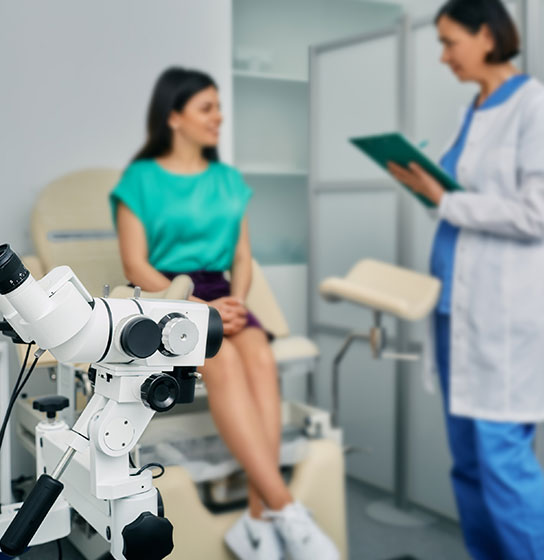
Colposcopy: What to Expect
A colposcopy may be recommended if your HPV test is abnormal (positive HPV). It will look and feel similar to a Pap smear, although this time, your doctor will use a magnifying lens to look for abnormal cells on your cervix.
What is a colposcopy?
A colposcopy (pronounced ‘kol-pos-kuh-pee’) is an office procedure using a microscope-like instrument, a colposcope, to evaluate the cervix for abnormal cells.
Why do I need a colposcopy?
If your self-collected screening results are abnormal or positive for high-risk HPV (human papillomavirus), your doctor may recommend that you have further testing, such as a colposcopy. A colposcopy allows the provider to have a better, closer view of the cervix and potentially take small samples, called biopsies.
Teal Health follows the most up-to-date medical guidelines on how to manage your follow-up care if you receive abnormal results after your self-collection. Teal medical providers will refer you for a colposcopy if your sample tested positive for HPV types 16 and/or 18, as these HPV types are most commonly associated with causing cervical cancer over time if they are left unaddressed.
How do I prepare for a colposcopy?
No preparation is necessary to have a colposcopy, but the provider conducting your colposcopy may offer some guidance or specific recommendations.
For example, it is helpful to not be on your menses (period), or at least to not be bleeding heavily, at the time of your appointment to allow a clear view of the cervix. Your provider may also ask that you do not use tampons, vaginal products, or douches, and avoid vaginal intercourse for a day or two before your colposcopy. This also helps the provider get a clear view of the cervix and make sure any samples taken can be processed. Some women also find it helpful to take a pain reliever before their appointment, but this is not required.
If you are feeling nervous, you can plan to bring someone with you to the appointment. This may also be helpful after the appointment, so you have someone to help you get home.
What to expect during a colposcopy?
The procedure will look and feel similar to a Pap smear, although this time, your doctor will use a magnifying lens to look for abnormal cells on your cervix. You may feel a little cramping or discomfort during the procedure.
Your doctor will soak the area with a dilute acetic acid solution using cotton swabs, which turns abnormal cells white. If abnormal areas are identified, your doctor may take one or more small samples of tissue (biopsies) for testing. These cells will then be sent to a lab for analysis. It can take a week or two for the results to come back.
After the biopsies are taken, medicine is often applied to the cervix to stop any bleeding. It is normal to have some spotting or discharge for a few days after this procedure.
What does a colposcopy result show?
If you had samples taken from your cervix, these results will help determine if you have any abnormalities and classify any changes observed in your cervix by severity. The report may describe normal cervical tissue or various degrees of precancerous changes, also called cervical dysplasia. Very rarely, the biopsy could show cervical cancer.
Abnormal cervical cell changes are classified as low- (LSIL) or high-grade (HSIL), and can be assigned a Cervical Intraepithelial Neoplasia (CIN) grade.
- Low-grade or CIN1 are considered mild cell changes that usually resolve on their own, but still require surveillance to make sure they do not progress.
- CIN2 and CIN3 are both high-grade and are considered moderate to severe precancerous changes. These require closer monitoring and, at times, preventive interventions to ensure they do not progress into cervical cancer.
Depending on the result, you may need an additional procedure to remove the abnormal cells or more frequent Pap smear/HPV testing to monitor for changes. Your healthcare provider will review the results with you and discuss any follow-up recommendations.

The Importance of Menstrual Cycle Patterns
It is important to pay attention to your menstrual cycle (period) because your cycle and any deviations from usual patterns can signal changes in your body and help you understand where you are in your gynecological journey.
This is also an easy area to become complacent about. After all, most of us have our period nearly every month, for many years (unless we’re on contraception that suppresses a period or are pregnant).
What is a normal menstrual cycle?
There are guidelines for what’s normal in terms of frequency and duration, but “normal” is also relative. The most important thing is to determine what’s normal for your own body and to discuss that with your provider.
Recent research suggests that menstrual cycles can vary by age, weight, race, and ethnicity. Generally, however, a “normal” menstrual cycle occurs every 21 to 35 days, and bleeding lasts between three to seven days. Women also experience pain, cramping, and other premenstrual symptoms (PMS) differently. Other factors like diet and exercise can also impact both your cycle and symptoms.
Are you experiencing changes to your menstrual cycle?
Changes to your body’s menstrual patterns may indicate that something else is going on:
- Could signal cancer or pre-cancer
- Physical changes like polyps or fibroids, a shift in hormone balance, alongside metabolic changes, or even infections
- Ongoing heavy or prolonged periods can also deplete iron in your body and lead to anemia
By openly discussing your menstrual patterns and pain levels, your provider can listen for red flags and recommend further testing.
Pain levels should not be downplayed
Research has proven over and over that there is a gender bias when it comes to women’s pain, and that our symptoms and complaints are not always taken seriously – sometimes to devastating effect. If pain levels are interfering with other activities and require medication, please tell your provider.
Before your well woman visit, track your menstrual cycle
In preparing for your annual exam or well woman visit, it is great to have insight into the following questions:
- How many days pass between your periods?
- How many days does your period last?
- How heavy is your period? For example, how many tampons or pads do you use in an hour, or over the course of a day?
- How painful are your cramps or other symptoms? Do they interfere with other activities? Do you take medication for the pain? What do you take, and how much?
- What PMS symptoms do you regularly experience leading into your period?
- Do you experience spotting (or other symptoms) between periods?
There are multiple apps that can help you track your menstrual cycle and premenstrual (PMS) symptoms, including the Health app on the Apple iPhone.
Contraceptive advice can be a part of menstrual management
Women may seek or may already be on birth control to prevent pregnancy. Women may also seek medical intervention to lighten or suppress their periods, which birth control can also help accomplish. Your provider can discuss these options with you. If your birth control method prevents a period, it’s still a good idea to track things like spotting or any other PMS symptoms you continue to experience throughout the month.

Abnormal Uterine or Vaginal Bleeding
Abnormal uterine or vaginal bleeding is quite common, but there are many different causes. Therefore, it can take multiple discussions, tests, or procedures before finding the root cause. Here, we discuss the many causes, tests, and treatments for abnormal bleeding.
Having a period every month can be a pain - both literally and figuratively - but as disruptive as it can be, it also gives regular insight into your health. Your cycle and any deviations from usual patterns can signal changes in your body and help you understand where you are in your gynecological journey.
Abnormal uterine or vaginal bleeding is quite common, but there are many different causes. Therefore, it can take multiple discussions, tests, or procedures before finding the root cause. Below, we discuss the many causes, tests, and treatments for abnormal bleeding. You may also find it useful to read our article on the Importance of Tracking Your Menstrual Cycle, so you can identify what abnormal bleeding is and when it is happening.
What is abnormal uterine or vaginal bleeding?
Abnormal bleeding can look different depending on where you are in your gynecological journey.
Abnormal bleeding does not mean spotting at the beginning or end of your normal period, bleeding from progesterone-only contraceptives, or bleeding from continuous birth control pills.
Rather, abnormal bleeding typically includes:
- Bleeding in between periods and/or more than 10 days per month
- Recurrent bleeding after sex (when not on your period)
- Bleeding after menopause (menopause is defined as no bleeding for twelve consecutive months)
Below are some indications of abnormal bleeding based on your life stage:
Premenopause: For individuals who are premenopausal, abnormal bleeding is when bleeding is heavy, irregular (i.e., between periods), or happens when it shouldn’t (i.e., after sex).
Perimenopause: When reaching the age range for perimenopause (typically 45-50 years old, but can happen earlier), abnormal bleeding is often an early sign indicating this transition. This is due to the ovaries producing inconsistent amounts of estrogen, triggering new patterns of ovulation and bleeding, in addition to other symptoms.
Menopause: After menopause (median age of menopause in the U.S. is 51 years old), any bleeding that happens a year or more after your last period is abnormal and should be discussed with your provider. Although there are several potential causes for bleeding during this time, this usually requires an evaluation to rule out precancer or cancer in the uterus (endometrial cancer).
What causes abnormal bleeding?
There can be many different causes of abnormal bleeding:
- Structural causes, i.e., uterine fibroids, adenomyosis, endometrial polyps
- Hormone changes, i.e., pregnancy, perimenopause
- Hormonal birth control
- Infection of the cervix or endometrium
- Cervical pre-cancer or cancer
- Endometrial cancer
- Medical conditions, i.e., thyroid disorder, PCOS (polycystic ovarian syndrome), or endometriosis
What tests do I need to evaluate abnormal bleeding?
Based on your age, health status, and risk factors, your provider will help to determine what tests are needed, which may include:
- Physical examination (including a pelvic exam): to determine the location of the bleeding and assess for underlying structural causes
- Lab tests: depending on the suspected cause, this may include a pregnancy test, cervical cancer screening test, vaginal swab to test for infections, and blood tests which check for anemia, thyroid disorder, liver or kidney disorder, hormone tests, and more.
- Imaging: may include a transvaginal ultrasound or more advanced imaging like a pelvic MRI
- Endometrial biopsy: an office procedure that may be recommended based on your age and symptoms to rule out endometrial cancer
- Procedures: this could include a hysteroscopy, which uses a scope with a camera and sterile fluid to see inside the uterus, or a dilation and curettage (D&C) to sample and remove abnormal uterine/endometrial tissue
How is the abnormal bleeding treated?
The treatment for abnormal bleeding will be based on the cause of the bleeding, your plans for future pregnancy, and your personal medical and surgical history.
Treatment options may include:
- Hormonal treatments: birth control pills, vaginal rings, progesterone-only pills, progesterone arm implant, injections, or progesterone IUDs (intrauterine devices).
- Non-hormonal treatments: non-steroidal anti-inflammatory medications (NSAIDs) like ibuprofen or antifibrinolytic medications like tranexamic acid.
- Uterine artery embolization: a minimally invasive procedure that uses pellets to block the main blood supply to the uterus, used to shrink fibroids and/or reduce menstrual bleeding over time.
- Surgery: to remove and treat abnormal structural causes, i.e., fibroids, polyps, or the endometrial layer of the uterus.
- Hysteroscopy: uses a scope with a camera and sterile fluid to see inside the uterus and remove lesions (polyps or fibroids) if present.
- A dilation and curettage (D&C): is done alone or in combination with a hysteroscopy to sample and remove abnormal uterine/endometrial tissue.
- Endometrial (Uterine) ablation: a procedure that destroys the inner lining of the uterus using different energy forms (i.e., thermal, freezing, radiofrequency, or microwave energy), usually combined with a hysteroscopy.
- Myomectomy: a laparoscopic or robotic surgery done to remove fibroids.
- Hysterectomy: a surgical procedure done to remove the uterus. This may or may not include the ovaries and cervix, depending on the underlying condition being treated.
If you are having any abnormal uterine or vaginal bleeding, regardless of your age or menopause status, we recommend that you talk to a medical provider as soon as possible so you can get to the root cause of your symptoms.
Skip the stirrups
Get early access
Enter your email to get started.
$99 with insurance
$249 without insurance (reduced from $499)


